How many portable toilets do I need for my event or job site?
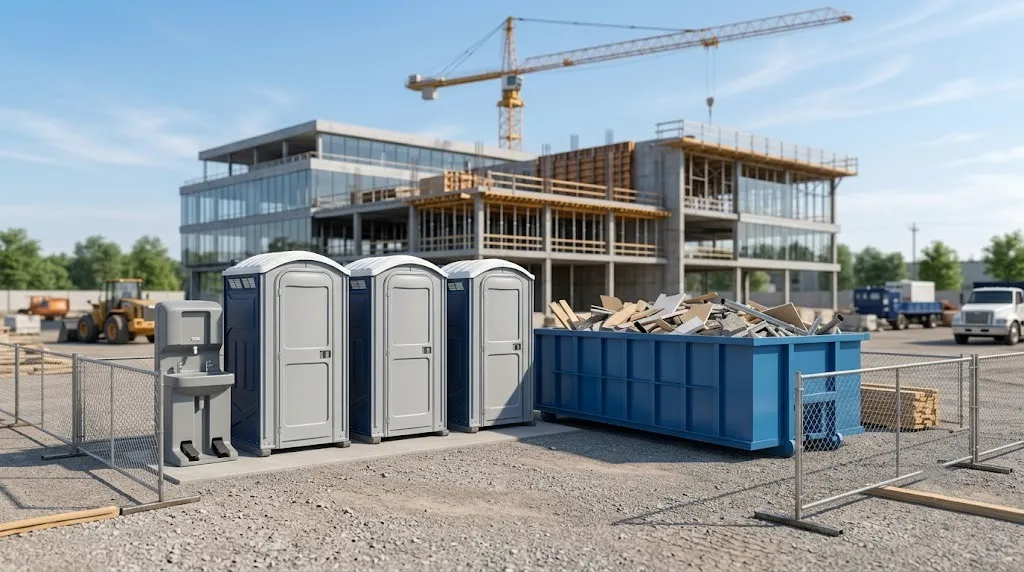
The math depends on how many people you're serving and how long they'll be there. For construction work, OSHA 1926.51(c)(1) sets the baseline: you need 1 toilet facility for 20 workers or fewer, then 1 toilet seat and 1 urinal per 40 workers from 20 up, and 1 toilet seat and 1 urinal per 50 workers once you hit 200 or more. Events run differently. A wedding or festival in Levittown with 75 guests needs different coverage than a 4-hour job site with the same headcount. Duration matters as much as attendance. We size it for you, just tell us how many people, what day, and how long. Check our guide on how many porta potties you need for specifics on your use case.
What's the difference between a standard unit and an ADA accessible one?
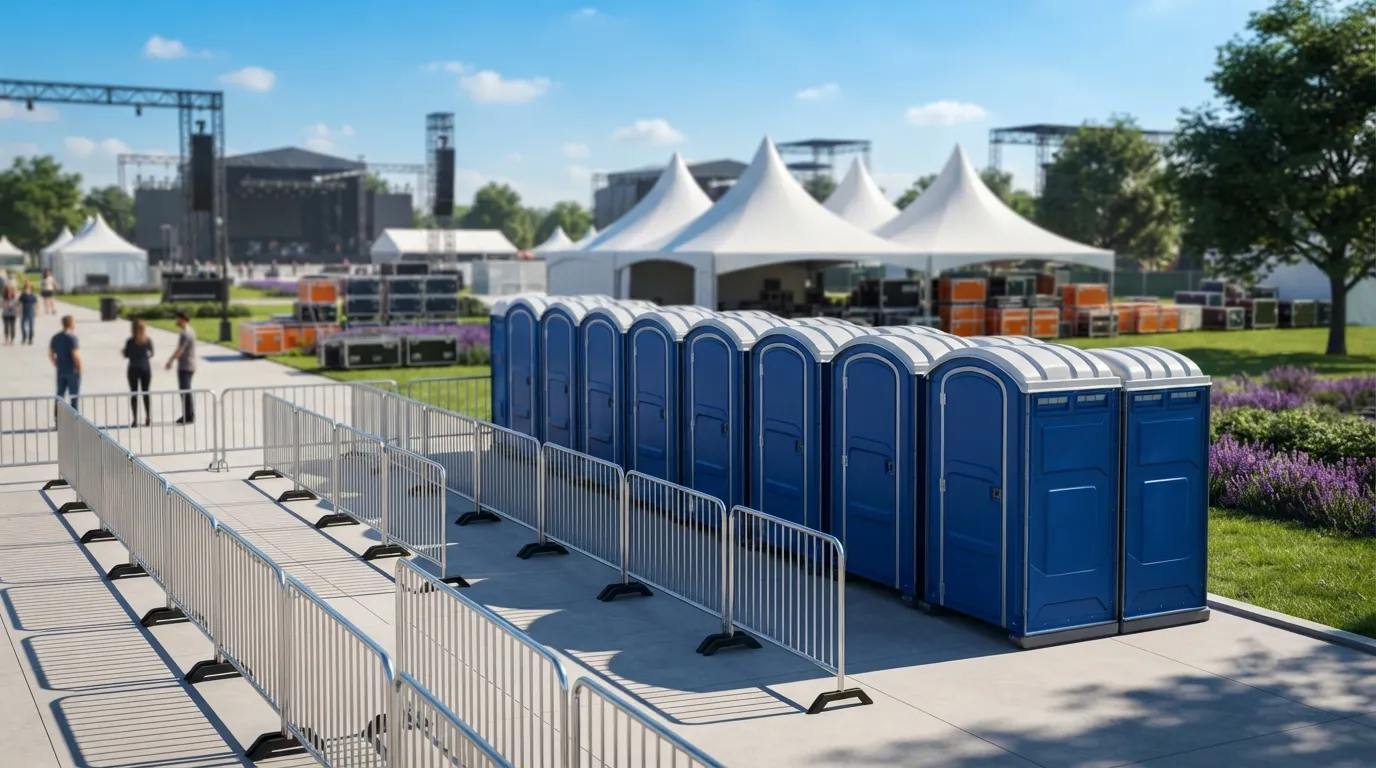
A standard portable toilet from Levittown Porta Pros sits about 44 by 48 inches on the ground and stands about 92 inches tall. It holds 60 to 70 gallons and works for most people. An ADA accessible unit meets accessibility standards so people with mobility issues can use it safely. Under ADA Standards section 213.2, when portable toilets are clustered, at least 5 percent, and never fewer than one unit, must be accessible. The accessible unit has a wider door, grab bars, and room to maneuver. If your event or job site has mixed guests or staff, plan on at least one ADA unit. Read ADA accessible porta potty rental for placement rules and turning radius requirements.
How often does my septic tank need pumping?
A residential septic tank in Levittown typically gets pumped every 3 to 5 years, depending on tank size and household size. If you're unsure when yours was last pumped, we can inspect it. A grease interceptor pumps when fats, oils, grease and solids reach 25 percent of the liquid depth, that's sooner and more often than a septic tank. Commercial kitchens hit that threshold fast. Watch for slow drains, sewage smells or wet spots in the yard; those are septic tank warning signs that mean pumping now. Call septic pumping service to schedule.
What can't go in a roll-off dumpster?
Hazardous waste, electronics, tires, batteries and appliances are off-limits. Asbestos, paint thinner, motor oil and medical waste go nowhere near our trucks. Some items like drywall can go in, but they need their own container. The weight matters too: if you overload it, we can't haul it safely. Check what cannot go in a dumpster for the full list. If you're unsure about something, ask before you load it. A wrong call stalls your whole project.
Do I need a permit to place a porta potty on the street or my property in Levittown?
Placement in the public right of way needs confirming with the city. We work with the rules in Levittown every day, but permit requirements change and fees vary. Call us before you rent and we'll help you sort it out. Most private property placements don't need permits if they're fully on your land. We'll walk you through it. See porta potty permit requirements and porta potty placement guide for the steps.
How do I know if I need a restroom trailer instead of standard units?
A restroom trailer is a full mobile facility with multiple stalls, running water, mirrors and flush toilets. Use it for upscale events, job sites where workers spend 8 hours a day, or weddings where you want the feel of a real bathroom. Standard units work fine for short events, construction sites with quick turnover, and outdoor festivals. Trailers cost more but they're worth it when comfort and image matter. Luxury restroom trailers add sinks, soap dispensers and heat.
Where else do you service near Levittown?
Levittown Porta Pros also serves Fairless Hills (3.1 miles north), Bristol (4.4 miles south), Falls (4.5 miles northeast), Lower Makefield (7.4 miles north), and Burlington, NJ (7.7 miles south). If you're just outside Levittown, call us. Odds are we're already there.
Next step
Get a delivery date
Tell us the address, the dates and the headcount. We size the order and confirm the route.